Rights Sold: simplified Chinese, Japanese (expired), English (expired), Korean (expired), Danish, Finnish, Vietnamese, French, Czech, Spanish (Spain) , Portuguese (Portugal), Italian, Polish, Turkish (offer received)
English Translation Available
★ Graphic novel adpatation in production
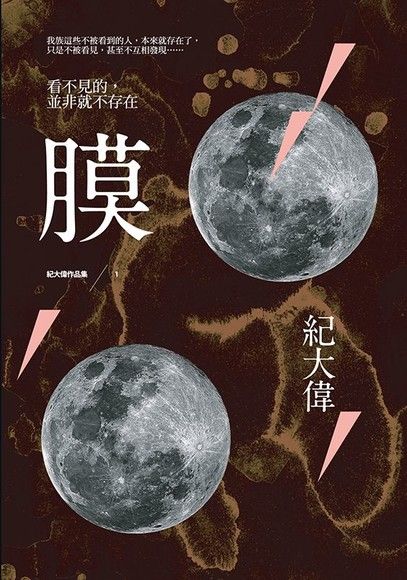
It's the 22nd century. The ozone layer is gone, the surface of the earth is uninhabitable, and what remains of humanity has moved to domed cities on the ocean floor. In a highly digitalized society run by media conglomerates, advances in biotechnology have rendered the human experience unrecognizable...
At the center is Momo, T City's most celebrated dermal-care technician, tending to the skin of the city's best-known media personalities. She keeps everyone at a careful distance until a reunion with the mother she's long avoided forces open a door she'd rather have left shut, and Momo begins a slow, unsettling reckoning with her own body, her memory, and the truth of what happened in the past.
Why now?
Nearly thirty years later, the novel reads like an uncanny mirror of our own moment. A world running on biotechnology, cyborg labor, and media conglomerates that monitor daily life anticipates today's conversations about AI, surveillance, and who controls the data of our bodies and lives. At its core, The Membranes is a study of surveillance, control, and bodily autonomy: who is watching whom, and who decides what happens to a body.
Momo's story is also inseparable from questions of sexuality and gender, handled with an ease in 1995 that much contemporary fiction still hasn't matched. As her past comes into focus, she confronts how much of her body was shaped by choices she never made or knew about, a visceral version of the bodily autonomy debates still raging today. Underneath it all runs a deeper unease: how much of identity is memory, how much is the story we've been told, and what remains once that story proves unreliable.
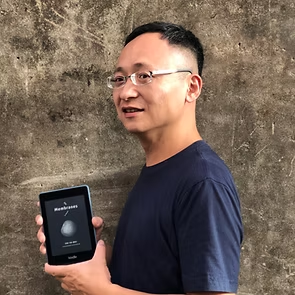
A foundational figure in Taiwanese queer literature, Chi Ta-wei wrote The Membranes as one of the first works to bring queer speculative fiction into the Chinese-language mainstream. Decades later, it remains a landmark of the genre, one of the sharpest, strangest, and most quietly prophetic novels about what it means to live inside a body, a mind, and a world that may not be entirely one's own.
Titles with Similar Theme:
Never Let Me Go by Kazuo Ishiguro
Klara and the Sun by Kazuo Ishiguro
The City and the Stars by Arthur C. Clarke
 回作者查詢
回作者查詢